They were polished, powerful, and provocative — the blueprint of a pop girl group. The Pussycat Dolls didn’t just sell music; they sold a meticulously crafted image built on choreography, charisma, and controversy. For years, the group set the standard for how female performers were expected to look — and, more quietly, how they were expected to feel. Now, one of the newer generation of artists discovered under that same creative umbrella is breaking silence about the toll that image came at.
A singer formerly part of a girl group developed under the influence — if not direct mentorship — of Robin Antin, the creator of the Pussycat Dolls, has come forward with a candid critique of the performance wardrobe she was pressured to wear. At the heart of her statement: the expectation to perform in minimal underwear as a core part of her stage identity. Her comments aren't just a personal grievance — they’re a growing echo in an industry still grappling with the balance between artistic expression and exploitation.
From Discovery to Discomfort: The Road to the Stage
Like many aspiring performers, the singer’s journey began with opportunity. Discovered through an open audition or talent showcase linked to Robin Antin’s expanding entertainment brand, she was handpicked for a new girl group meant to carry the torch of the Pussycat Dolls’ legacy — high-energy dance routines, glamorous visuals, and a bold, unapologetic stage presence.
Initial excitement quickly gave way to unease. Early rehearsals weren't just about mastering choreography or harmonies — they were about conforming to a look. According to her account, dancers were required to wear sheer or lingerie-style bottoms during run-throughs, even in non-public settings. The justification? “It’s part of the brand.” “It sells the concept.” “The audience expects it.”
But for performers still defining their confidence and agency, being told that their value is tied to how little they wear can be corrosive. She wasn’t alone in feeling uncomfortable — just the first to speak publicly.
The Lingerie Legacy: How the Pussycat Dolls Redefined Girl Groups
To understand the context, it’s essential to revisit the Pussycat Dolls’ rise. What began in the 1990s as a burlesque revue in Los Angeles was rebranded in the 2000s into a global pop phenomenon. Robin Antin, the mastermind, shifted the group from neo-burlesque to chart-topping pop acts with hits like “Don’t Cha” and “Buttons.” But the transformation wasn’t just musical — it was visual.
The new Dolls wore corsets, garter belts, and sequined lingerie as performance wear. Their choreography emphasized sexuality, and their image became inseparable from their music. While this empowered some performers, critics argued it reduced women to stylized objects — a look that prioritized allure over individuality.
For Antin, the formula worked. She replicated it across spin-offs, international tours, and girl group incubators, searching for the next wave of performers who could embody the same aesthetic. But as cultural attitudes shift, so does the acceptance of that formula.
Breaking the Uniform: Why the Underwear Mandate Backfired
The former singer’s critique centers on one disturbing detail: the expectation wasn’t just to wear lingerie on stage — it was to wear it during rehearsals, photoshoots, and even promotional appearances. There was no opt-out, no alternative outfit for those who felt exposed — literally and emotionally.
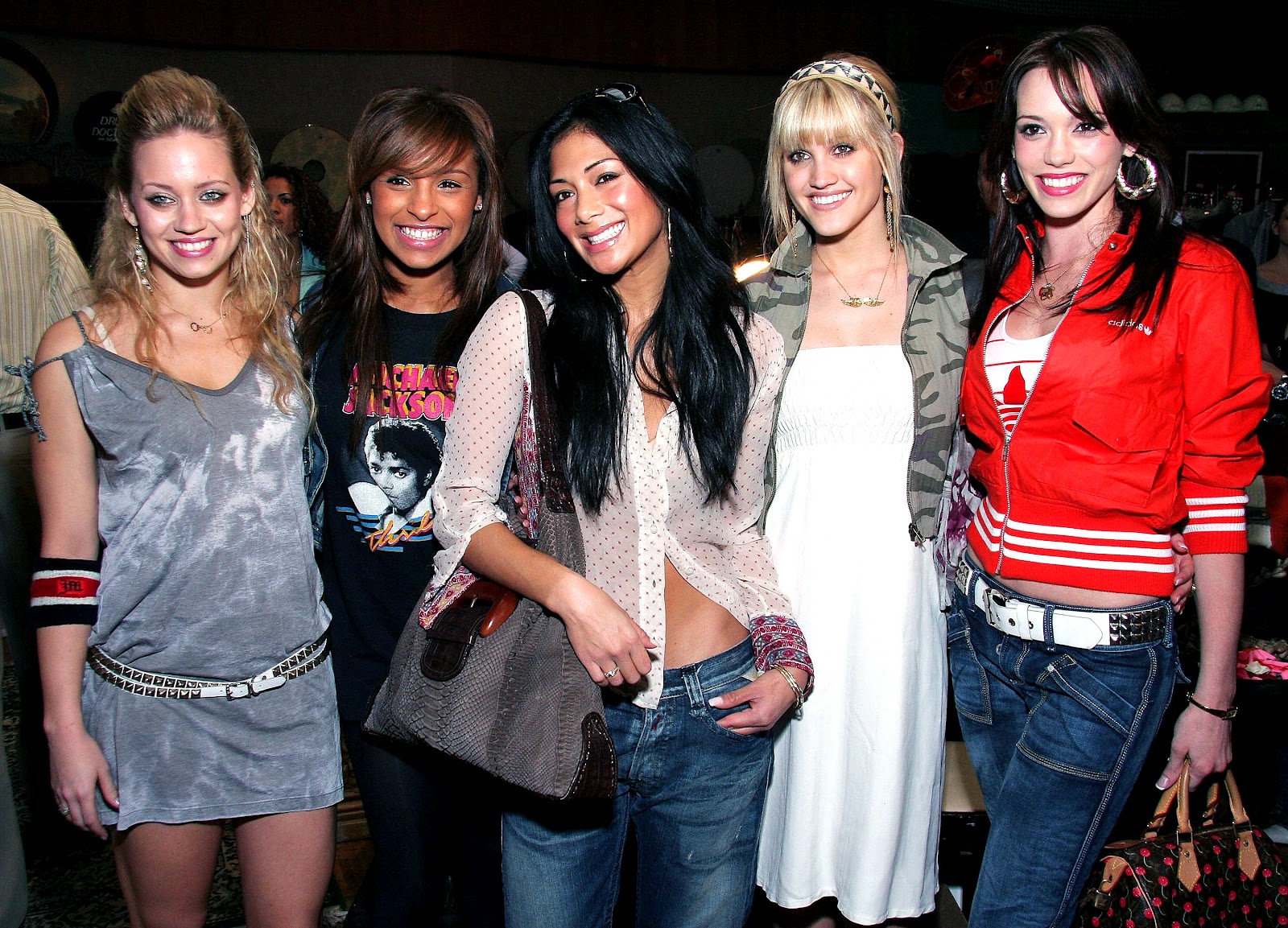
She described one incident where she requested high-waisted shorts under her mesh skirt for personal comfort. The response? “It ruins the line.” Another time, after wearing a full-coverage bodysuit during a rehearsal, a stylist told her: “You’re not giving the audience what they came for.”
This isn’t just about clothing — it’s about consent, autonomy, and the normalization of sexualized presentation as a requirement for success. For young performers, especially those early in their careers, pushing back can feel career-threatening.
“You start to believe that if you’re not willing to show skin, you’re not committed,” she said in a recent interview. “But I was committed to my craft — to my voice, my dance, my performance. Why wasn’t that enough?”
The Industry’s Double Standard in Female Performance
The issue extends beyond one group or one creator. Female pop acts have long faced greater scrutiny over their appearance than their male counterparts. Compare any girl group’s stage wardrobe with that of boy bands like *NSYNC or BTS — both dance-heavy, both massively popular — and the disparity is stark.
While male performers are praised for their vocals, choreography, and style, female artists are often reduced to conversations about their bodies, their outfits, and their perceived “sex appeal.” The pressure to conform can shape not just wardrobe, but diet, plastic surgery choices, and self-worth.
This double standard is amplified in groups developed under a “brand-first” model like the Pussycat Dolls. When the group’s identity is built on a specific aesthetic, individual identity can be suppressed. Performers become interchangeable parts in a visual machine — and dissent is seen as disruption.
Voices Rising: A Shift in How Girl Groups Are Built
The singer’s comments are part of a larger reckoning. In recent years, artists like Rihanna, Dua Lipa, and BLACKPINK have redefined what it means to be a powerful female performer — combining sex appeal with control over their image, production, and narrative. More importantly, they’ve shown that audiences don’t need exploitation to engage.
Newer girl groups are also pushing back. Groups like FLO and MUNA emphasize musicality, vocal harmony, and authentic self-expression. Their stage wear is stylish, bold, and often sexy — but chosen, not mandated. The difference? Agency.
Even within legacy acts, the conversation is changing. Former Pussycat Dolls member Carmit Bachar has spoken about the pressure she felt during her time in the group. Nicole Scherzinger, once criticized for the group’s image, has since advocated for more respectful treatment of female performers.
Reimagining the Girl Group: Talent First, Image Second
So what’s the alternative? It’s not about banning revealing clothing — it’s about choice. A performer should be free to wear a corset one night and sweatpants the next, without it being interpreted as a lack of professionalism or commitment.
Moving forward, creators and managers need to ask: - Is this wardrobe enhancing the performance — or distracting from it? - Are performers comfortable and consenting? - Could this outfit requirement alienate talent or fans? - Are we prioritizing the artist’s voice — or just their silhouette?
Groups that succeed today are those that treat members as multidimensional artists, not props. They invest in songwriting, vocal training, and brand development — not just choreography in high heels.
What Managers and Labels Can Learn
For those shaping the next generation of pop talent, here are actionable insights:
- Offer wardrobe options, not mandates. Allow performers to co-design their stage looks.
- Respect boundaries — physical, emotional, and professional.
- Separate rehearsal wear from performance wear. No one should feel exposed during practice.
- Prioritize comfort and safety — especially during long tours or high-intensity routines.
- Let the music lead. If the outfit is the most talked-about part of the show, something’s off.
One manager at a rising K-pop-inspired U.S. girl group shared: “We have stylists, yes — but our girls have final say. If someone doesn’t want to wear a crop top, we adjust the concept. Their comfort is part of the brand now.”
A New Era of Empowerment
The former singer’s decision to speak out isn’t just personal — it’s symbolic. It signals a shift in how young performers view their worth. They’re no longer willing to trade dignity for visibility.
The Pussycat Dolls’ legacy will always include their impact on pop culture, dance, and female-led performance. But their model — one that equated exposure with success — is being reevaluated. And rightly so.
True empowerment isn’t about how much skin you show. It’s about having control over when, where, and how you present yourself. For the next generation of girl groups, that’s not just a preference — it’s a demand.
FAQ
Who discovered the girl group singer speaking out about performance wear? She was discovered through a talent initiative connected to Robin Antin, the creator of the Pussycat Dolls.
Why is the Pussycat Dolls’ wardrobe controversial? Their use of lingerie as standard stage wear has been criticized for prioritizing sexualization over artistic expression, especially when mandatory.
Did Robin Antin respond to these allegations? As of now, Robin Antin has not publicly addressed this specific singer’s statements.
Are other girl group members speaking out? While not all are naming names, several former performers in similar groups have echoed concerns about wardrobe pressure and lack of autonomy.
Can performers be sexy without being exploited? Yes — the key is consent, choice, and control. Performers should decide how they present themselves, not be pressured into a uniform.
What can fans do to support artist autonomy? Support artists who speak openly about their boundaries, critique exploitative practices, and celebrate musical talent over appearance.
Is the music industry changing its approach to girl groups? Yes — newer groups are being built around artistry, vocal ability, and personal branding, with more focus on performer well-being.
FAQ
What should you look for in Ex-Pussycat Dolls Protégé Slams Performance Underwear Push? Focus on relevance, practical value, and how well the solution matches real user intent.
Is Ex-Pussycat Dolls Protégé Slams Performance Underwear Push suitable for beginners? That depends on the workflow, but a clear step-by-step approach usually makes it easier to start.
How do you compare options around Ex-Pussycat Dolls Protégé Slams Performance Underwear Push? Compare features, trust signals, limitations, pricing, and ease of implementation.
What mistakes should you avoid? Avoid generic choices, weak validation, and decisions based only on marketing claims.
What is the next best step? Shortlist the most relevant options, validate them quickly, and refine from real-world results.